indonesia chronicles: warung mendez

it was past lunch time when i finished frolicking (lol!) with the macaques at the monkey forest sanctuary in ubud, bali.  a local acquaintance recommended me this restaurant located a few minutes from the sanctuary.

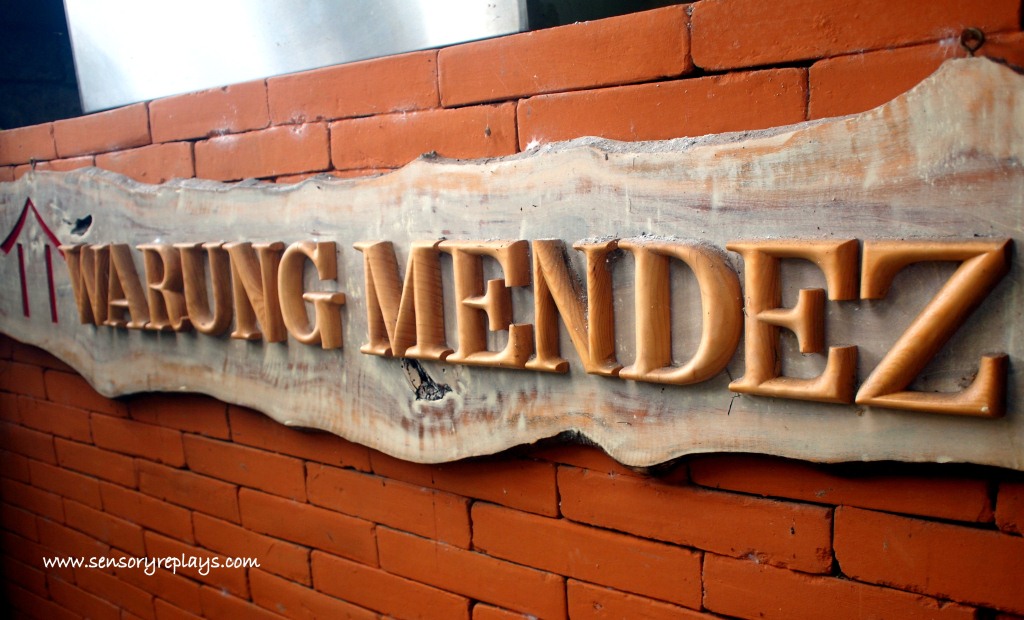
warung mendez is an open air cozy restaurant with wooden tables and benches known for their delicious and affordable local dishes in their menu.

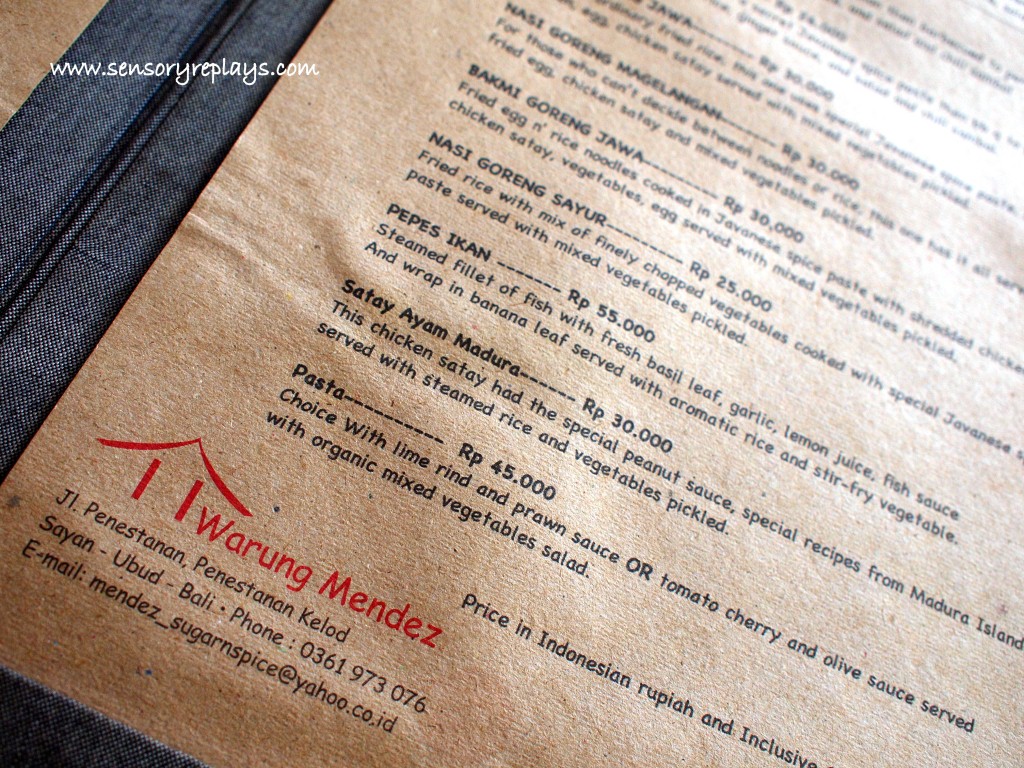
i chose to order their bakmi goreng jawa, a dish of stir-fried egg noodles cooked in javanese spice paste with shredded chicken and vegetables topped with fried egg with a side dish of pickled mixed vegetables and two sticks of chicken satay.

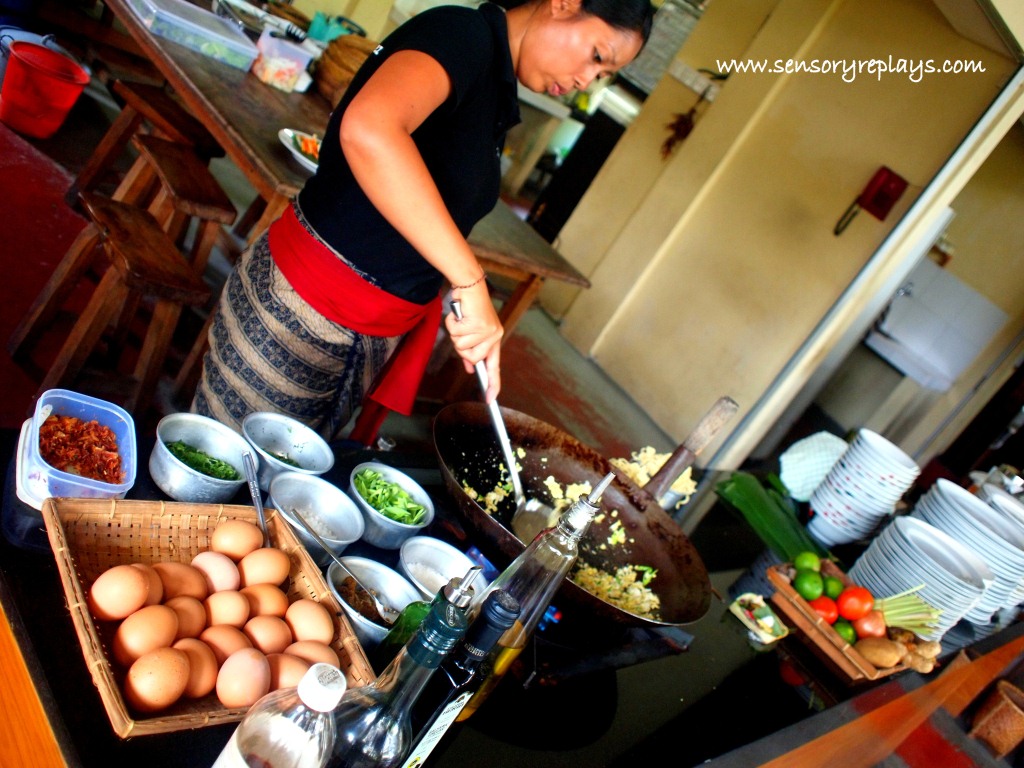
the restaurant has an open kitchen were you can see the local women cook your dish infront of you.

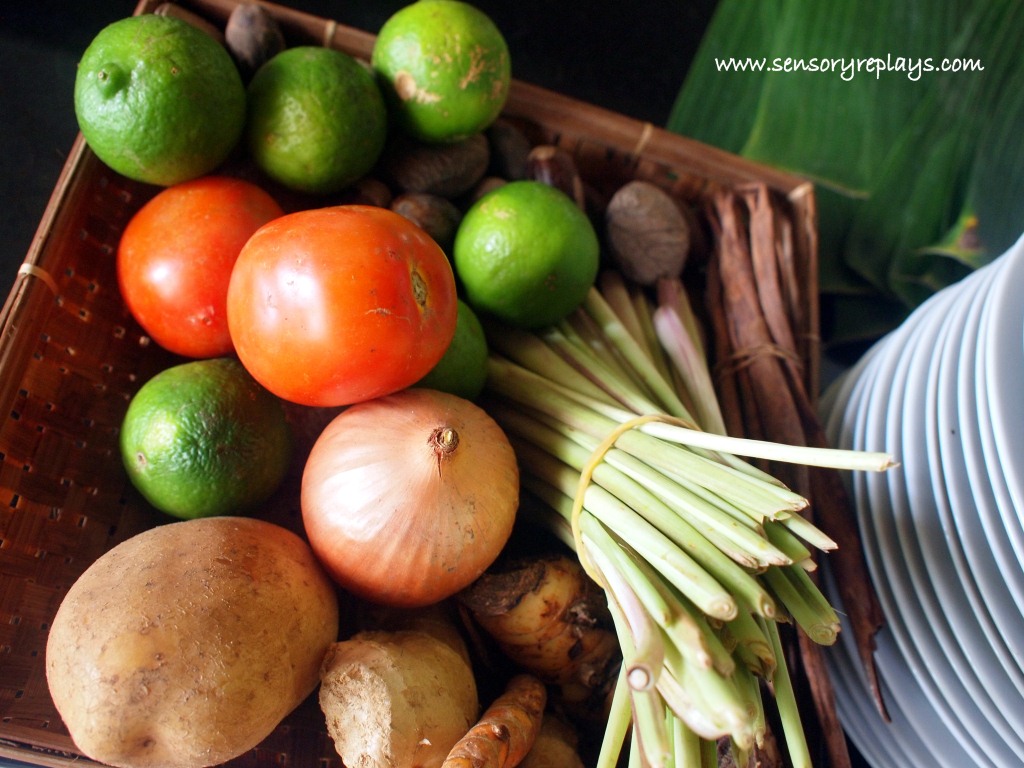
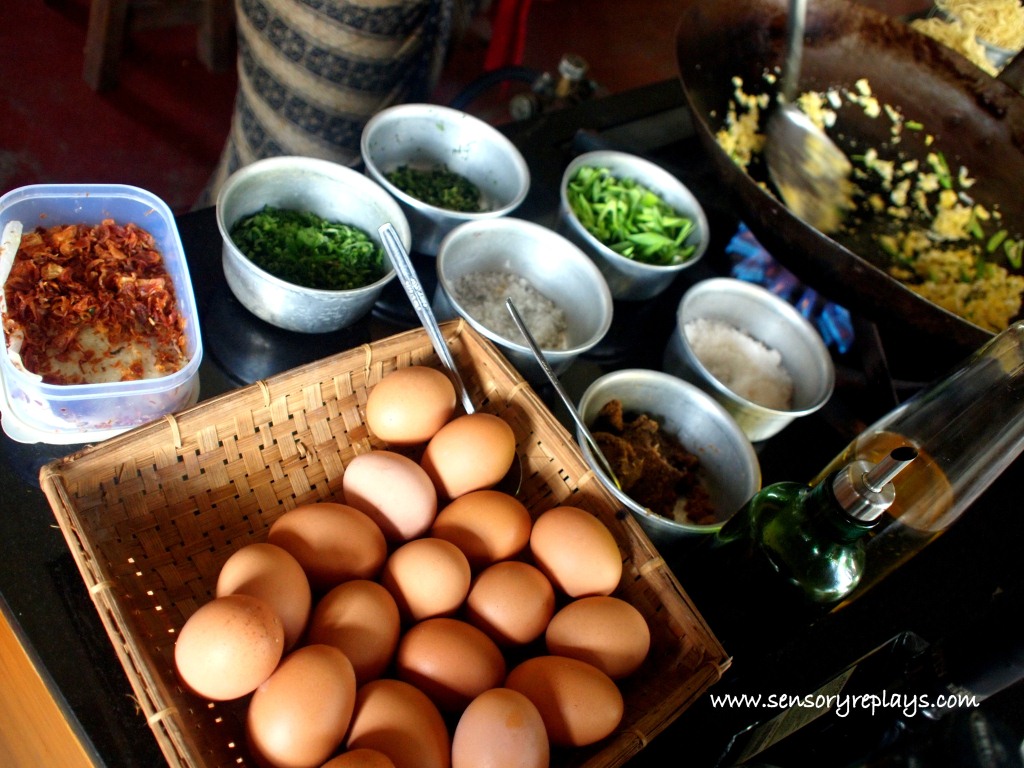
spices and condiments used for the bakmi goreng.

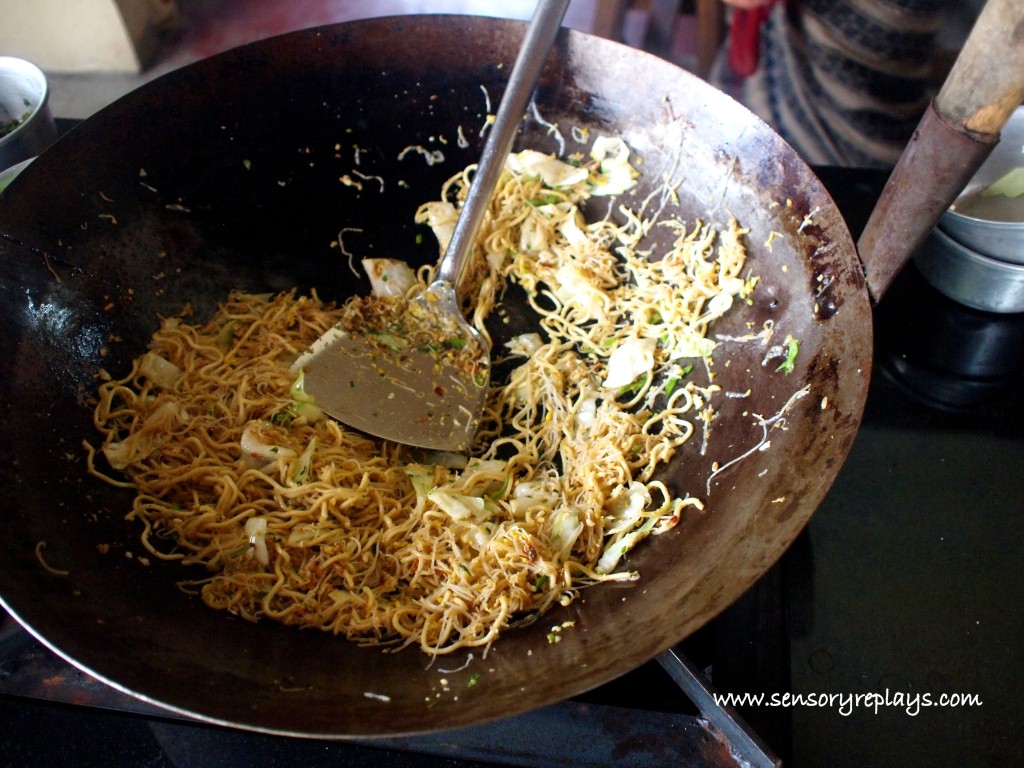
skilfully she tossed the ingredients into the wok and a delicious aroma entered my nostrils.

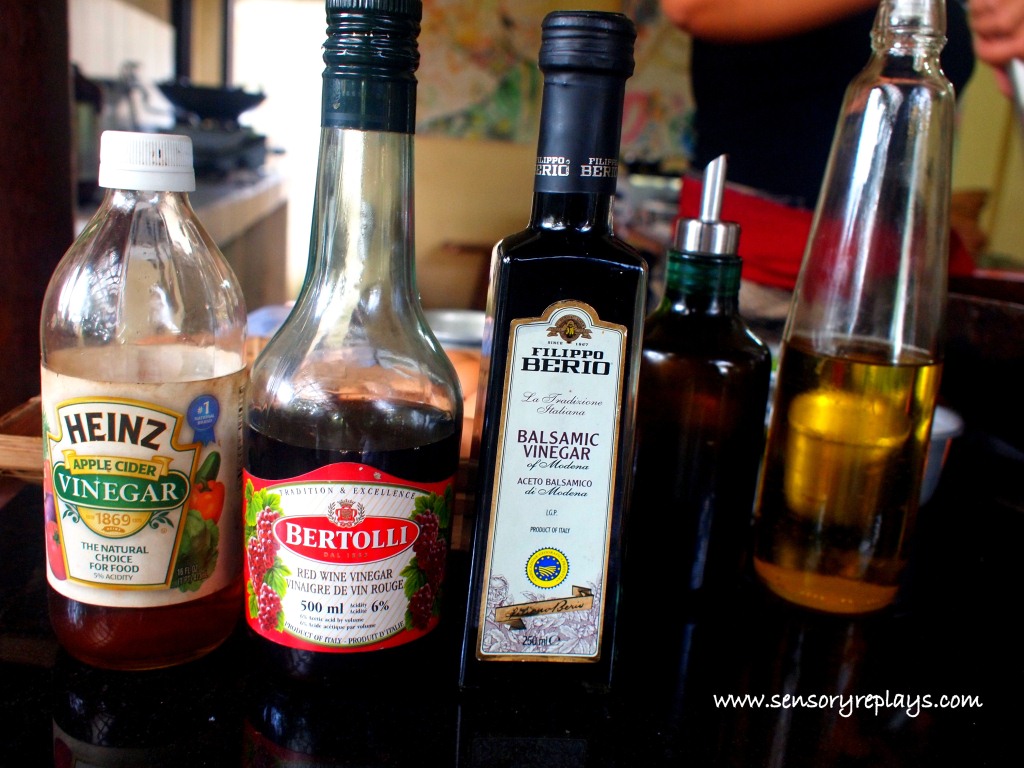
that’s apple cider, red wine and balsamic vinegar.  vinegar usually adds tang to most recipes.

noodles are ready!

uber yummy bakmi goreng. 🙂

three kinds of sambal, which are chili based sauces.

warung mendez is at penestanan kaje, ubud, bali indonesia.

indonesia chronicles: the tower and cathedral

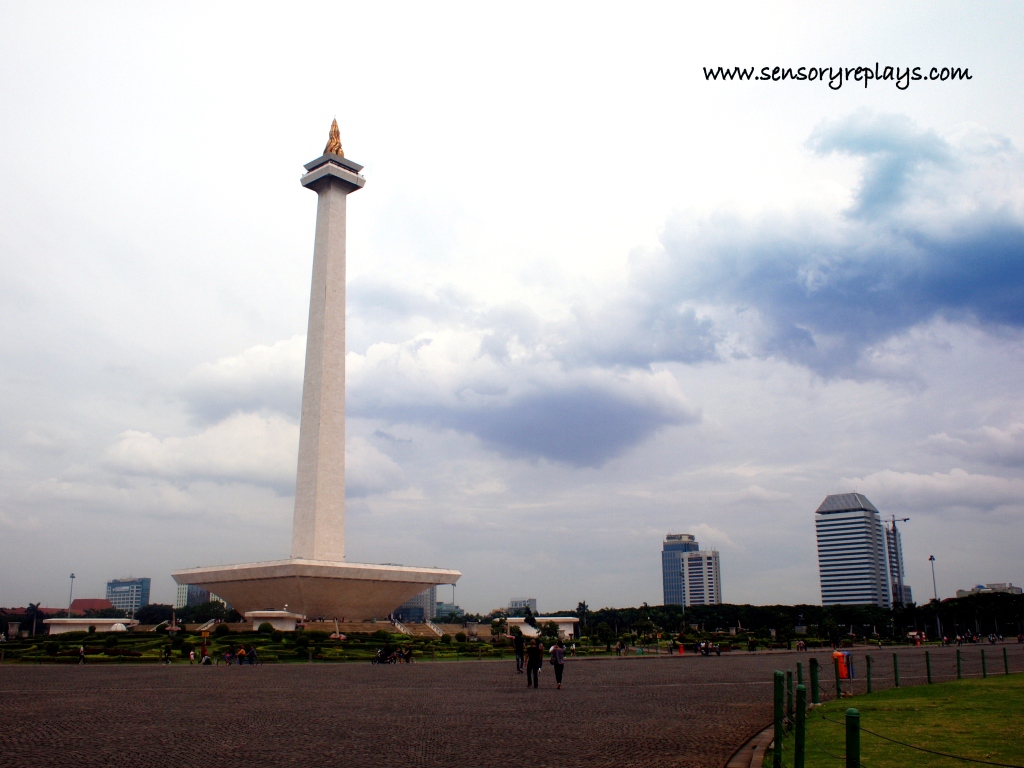
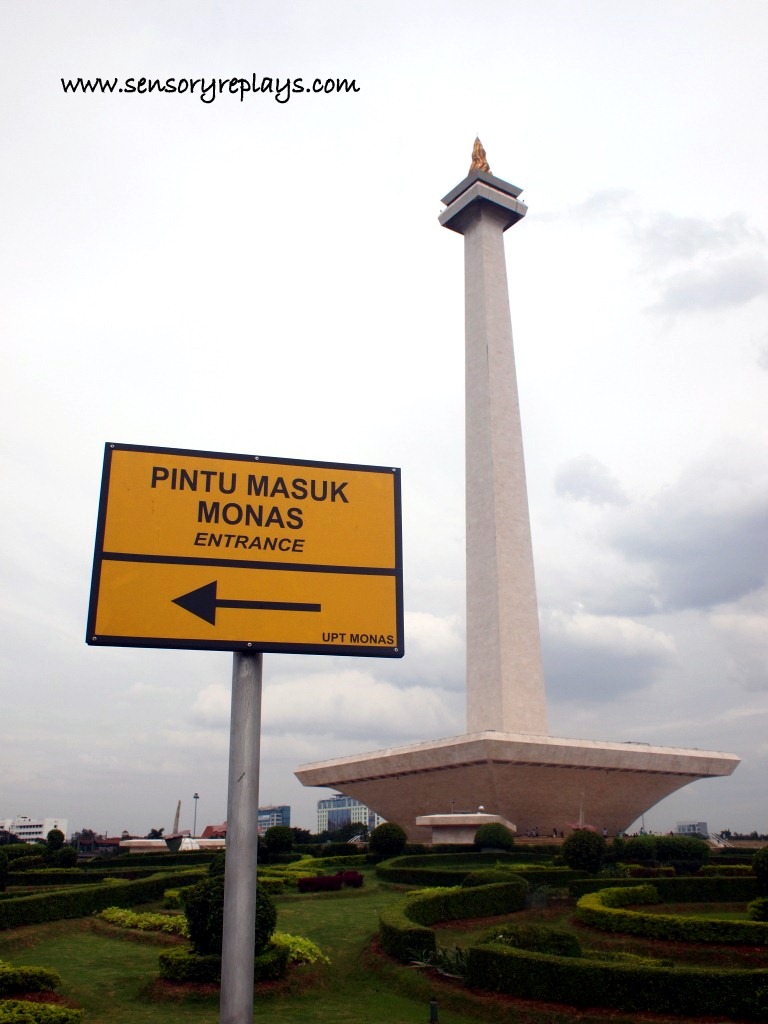
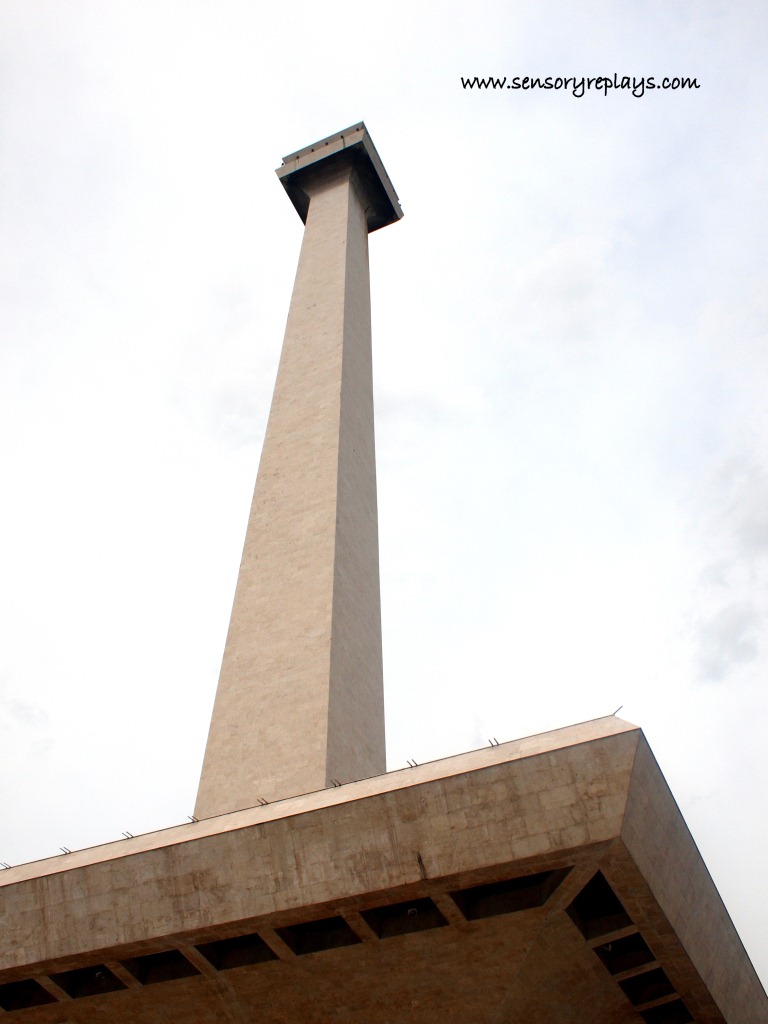
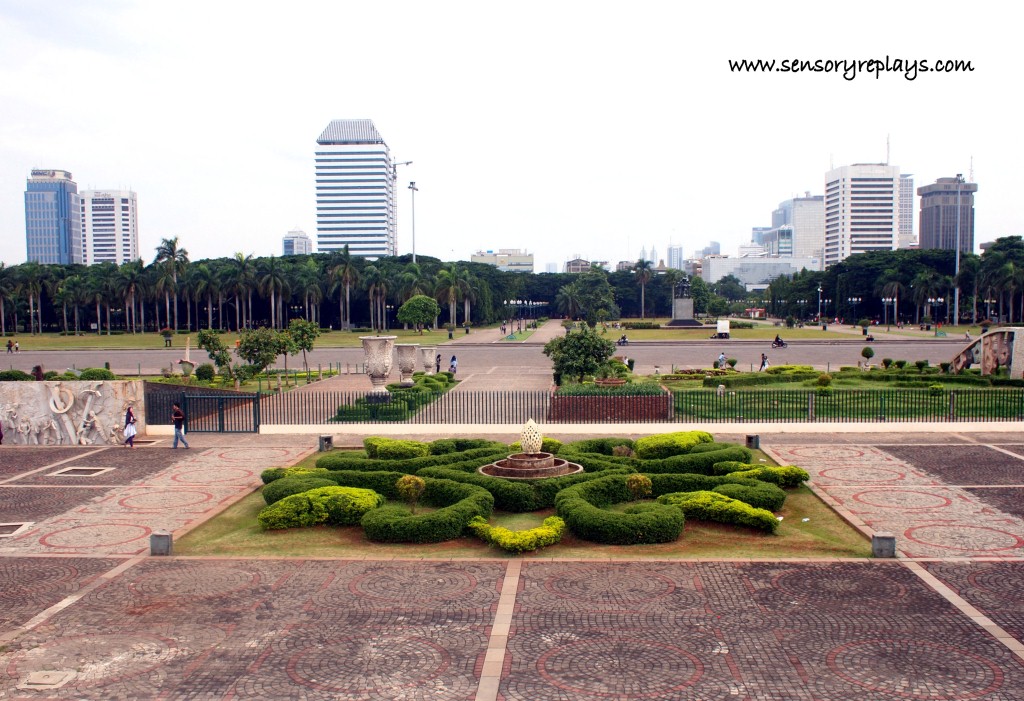
after my visit to the museum, i walked for a few minutes going to the national monument of indonesia, monumen nasional. it is an obelisk-type monument that stands 433 feet and sits in the center of merdeka square, an area in central jakarta surrounded by government buidings.

the monument is the symbol of the country’s fight for independence. at the top of the structure represents a flame, weighing 14.5 ton called as the flame of independence, which is covered by 50 kilogram of real gold foil.
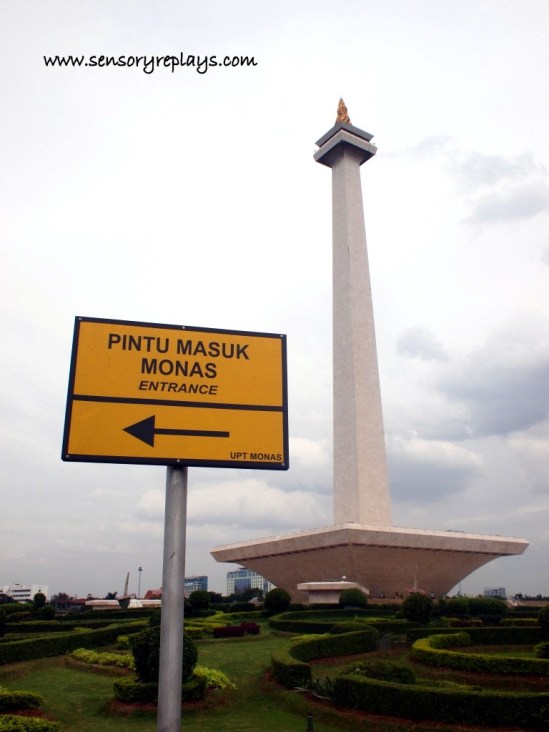
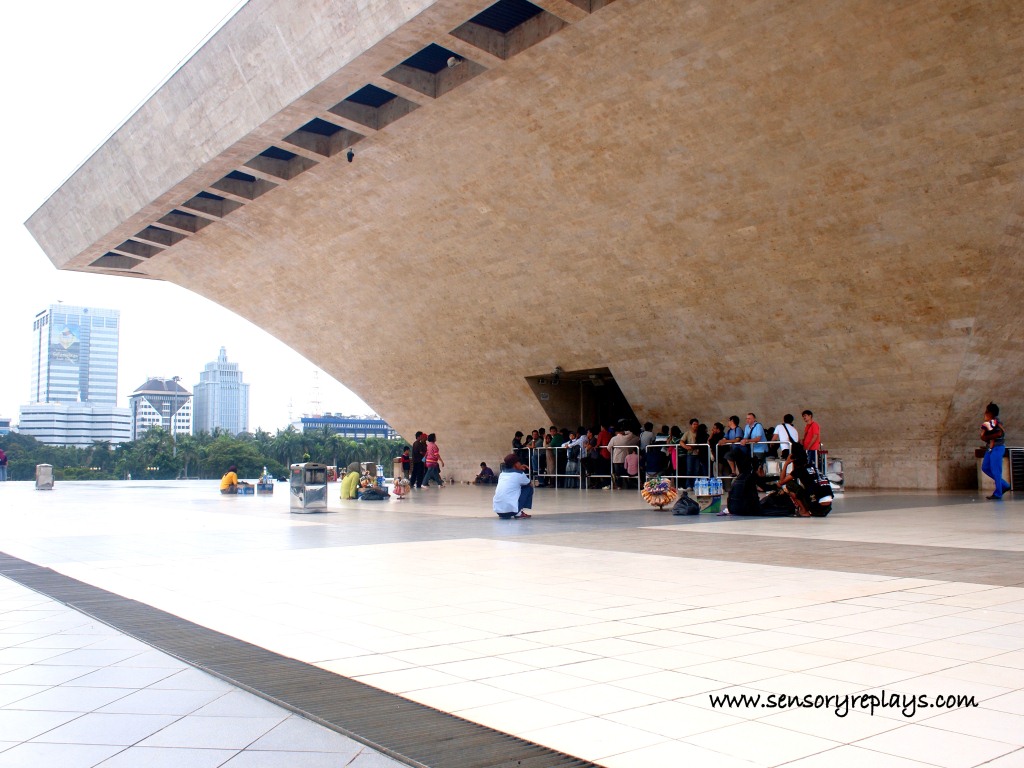
there is an underground passageway that leads up to the base of the monument, where you have to pay an entrance fee. inside is the national history museum.

The towering monument encapsulates the philosophy of Lingga and Yoni. Lingga resembles an alu rice pestle and Yoni resembles a lesung rice mortar, two important traditional Indonesian tools. Lingga and Yoni also symbolize eternal life with the lingga phallic symbol, representing masculinity, positive elements, and daytime and the Yoni the female organs symbol, representing femininity, negative elements, and night. The monument consists of a 117.7m obelisk on a 45m square platform at a height of 17m, the goblet yard. ~ from wikipedia
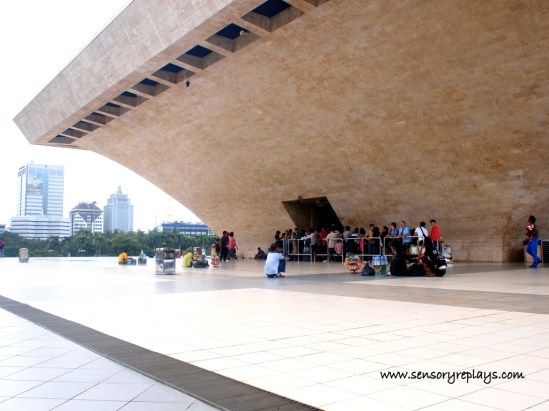
there is an observation deck in the tower where you have to pay another entrance fee. unfortunately the ticket counter was already closed at 3:00 pm and i was not able to get access.
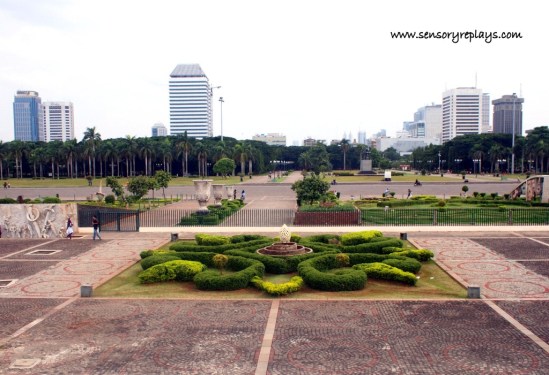
the monument is open to the public everyday, from 8:00 am to 3:00 pm.

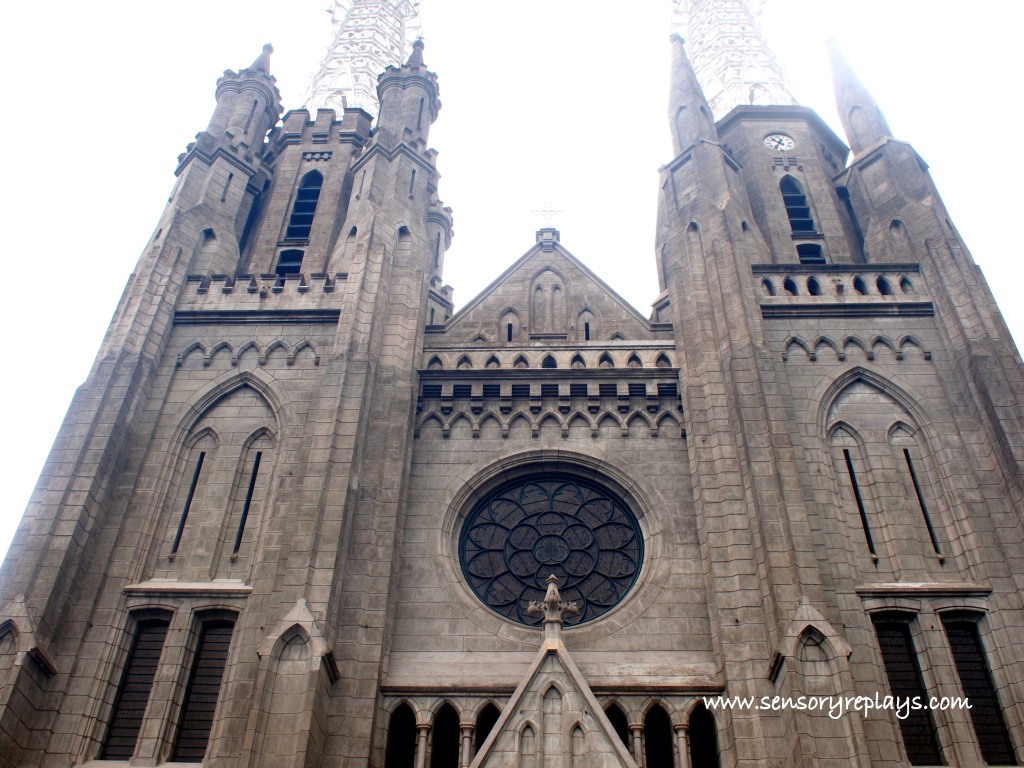
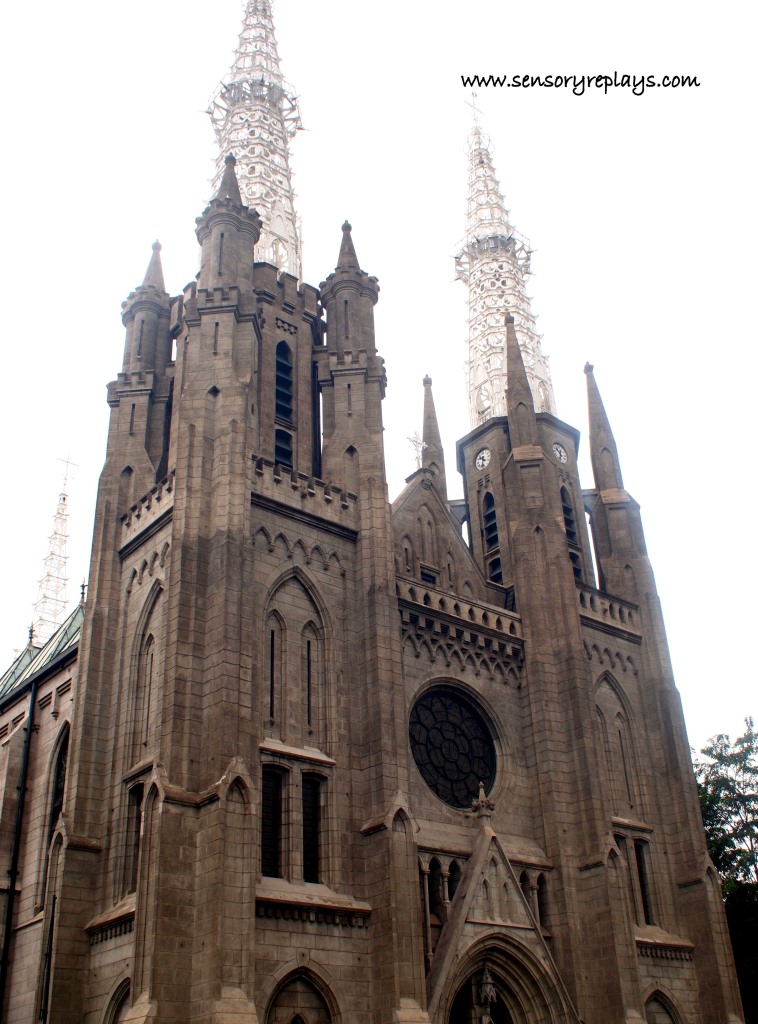
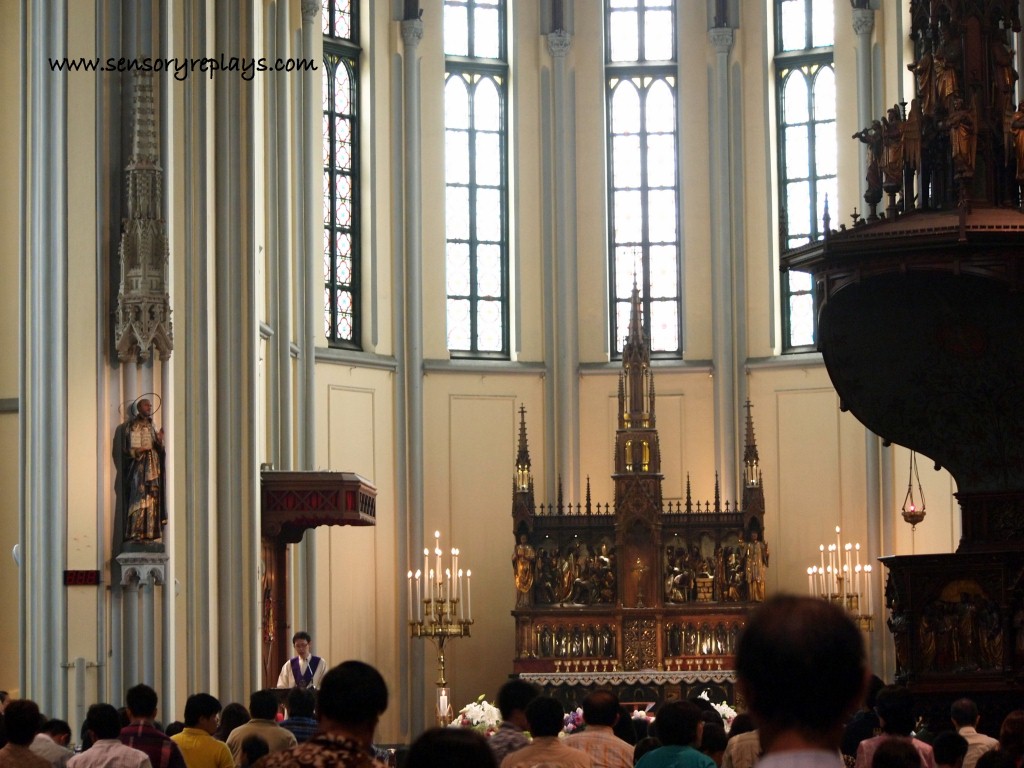
the next morning, i attended mass at jakarta cathedral ( gereja katedral jakarta).
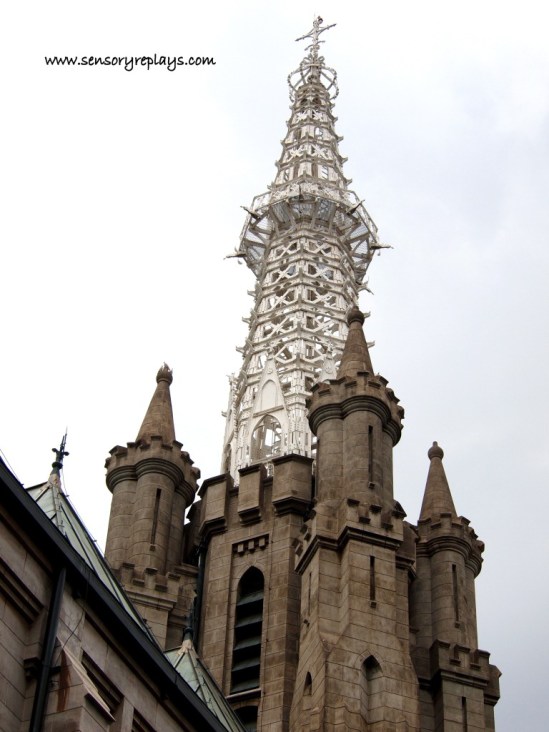
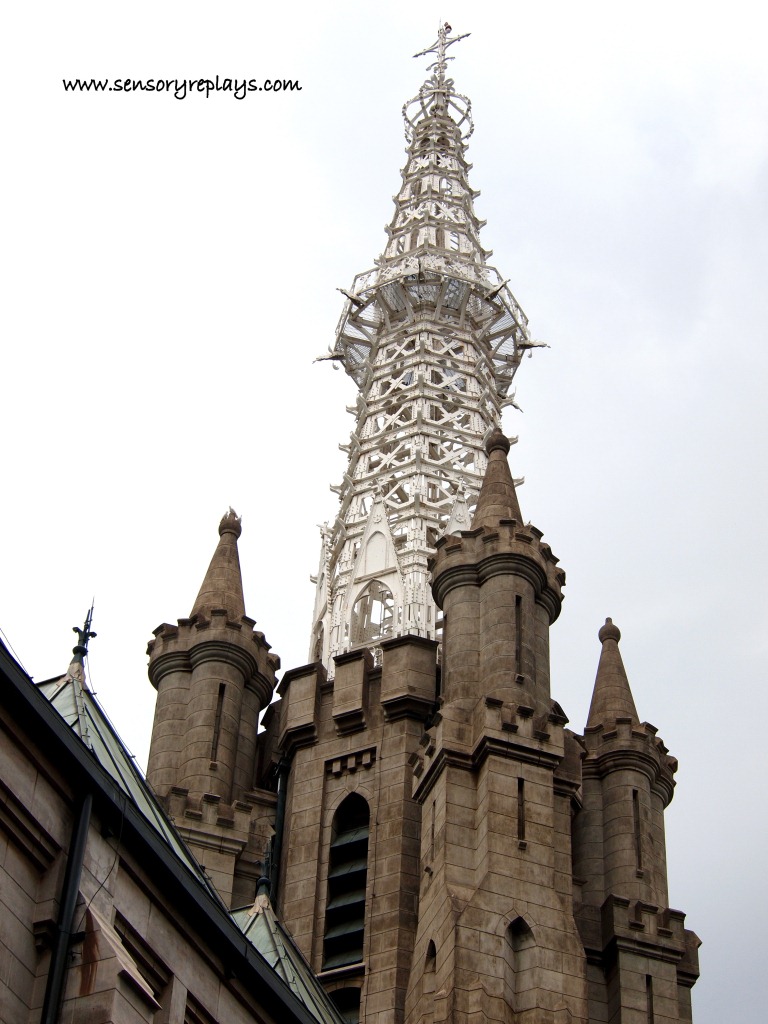
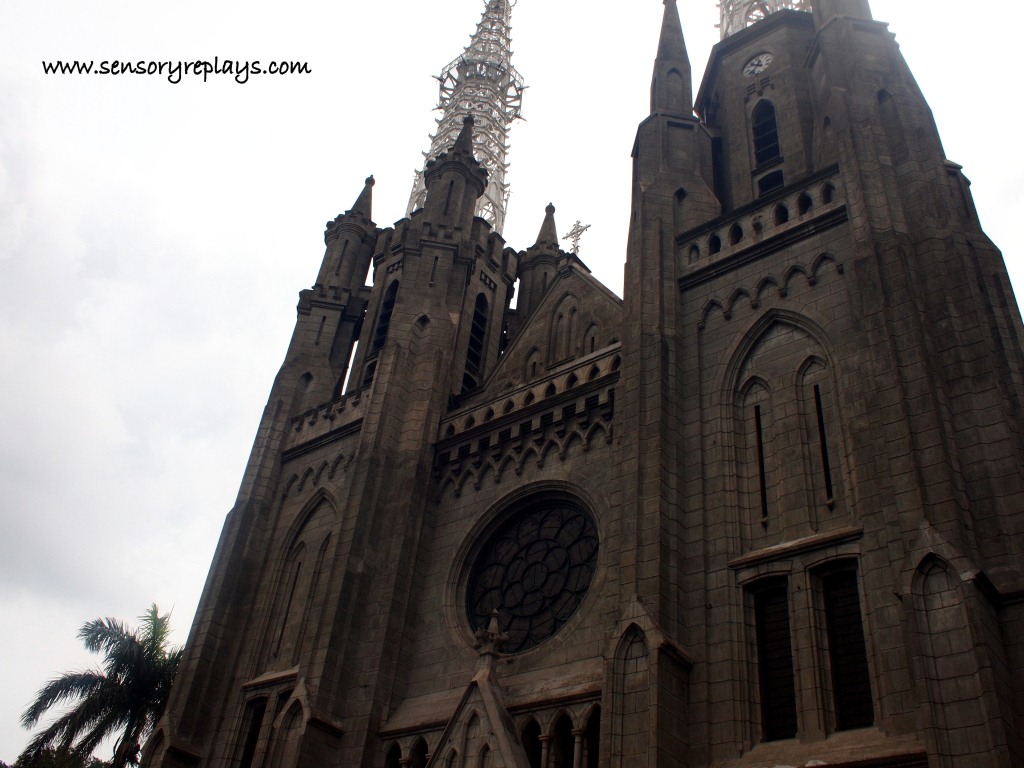
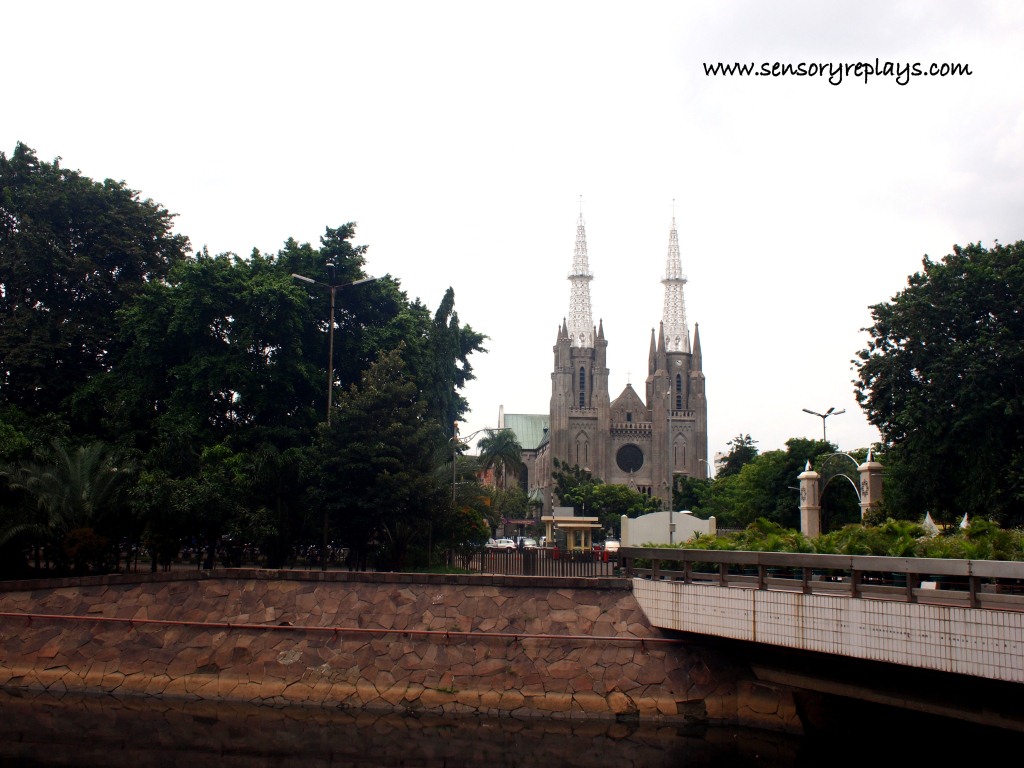
the cathedral is buit in neo-gothic style and was consecrated in 1901. there are three main spires where the two tallest ones measured 60 metres tall and are located in front on each side of the portal.
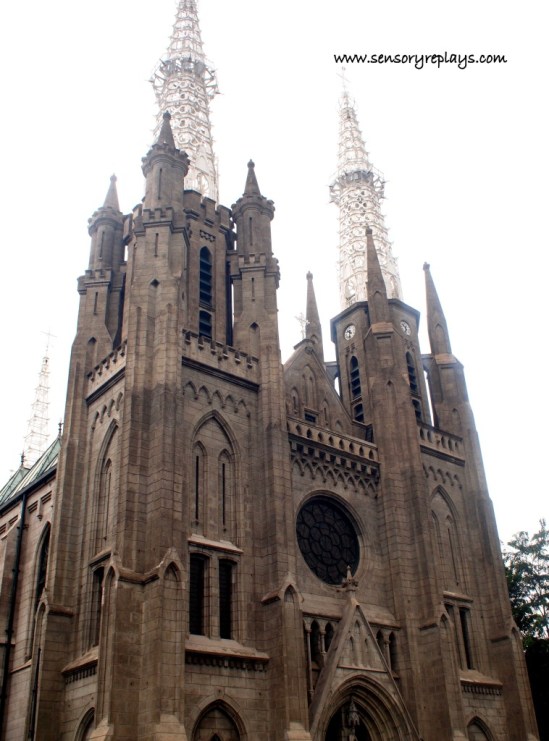
the buildings material consist of thick red bricks covered with plaster, roofs made of teak wood and the spires made of iron.
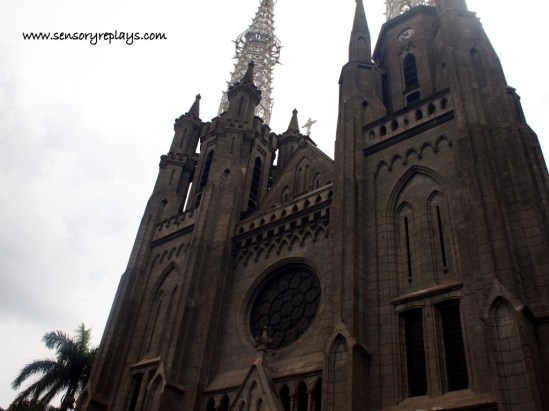
the large round stained glass called as rozeta rosa mystica, is the symbol of mother mary.
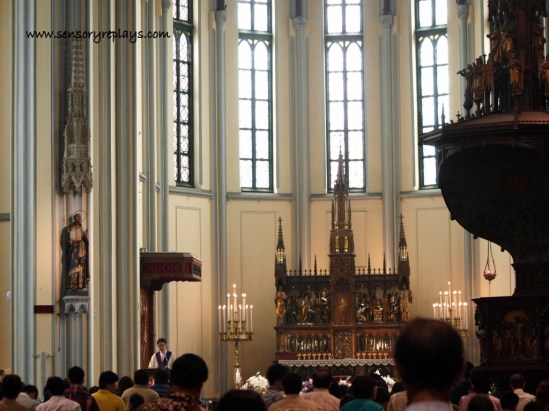
only 3% of indonesia’s population are catholics.
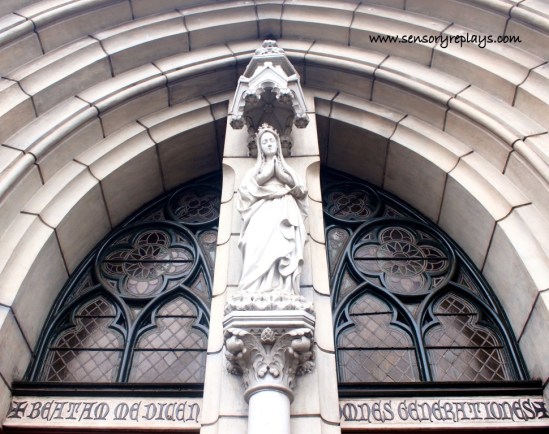
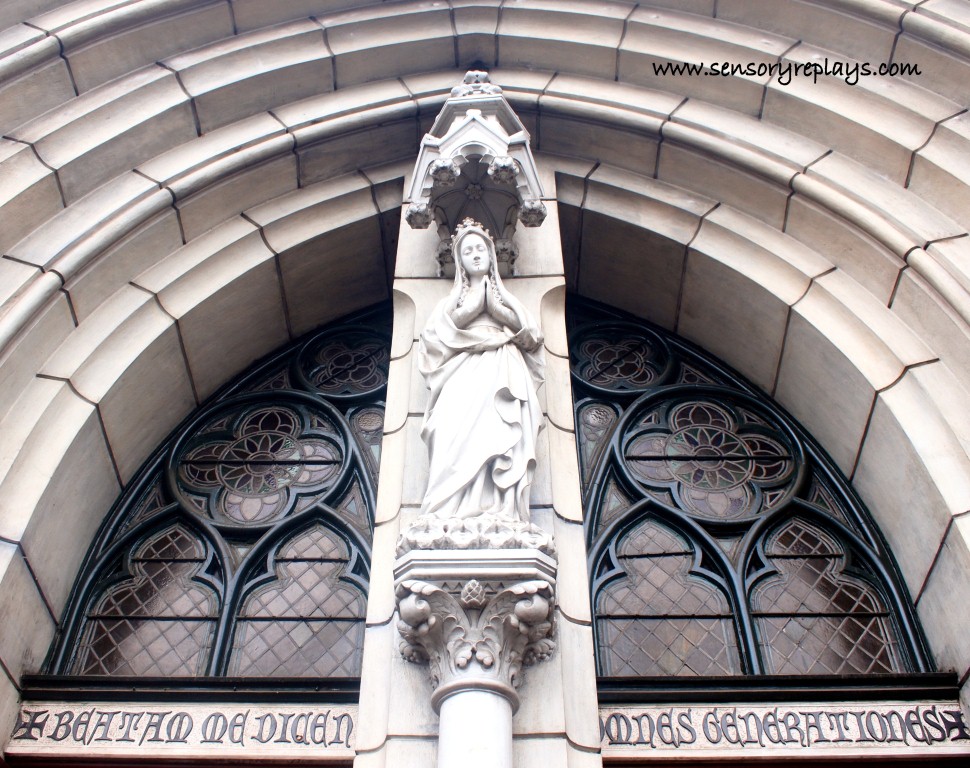
there is a statue of mother mary in the main entrance and a sentence written in latin: “beatam me dicentes omnes generationes” which means “all generations shall call me blessed”.

after the mass was finished, i bought some wooden rosaries in the cathedral’s bookstore to bring back home for my ma.  i took a picture of the cathedral from istiqlal mosque at the opposite road then took a taxi to surabaya street.

indonesia chronicles: museum nasional

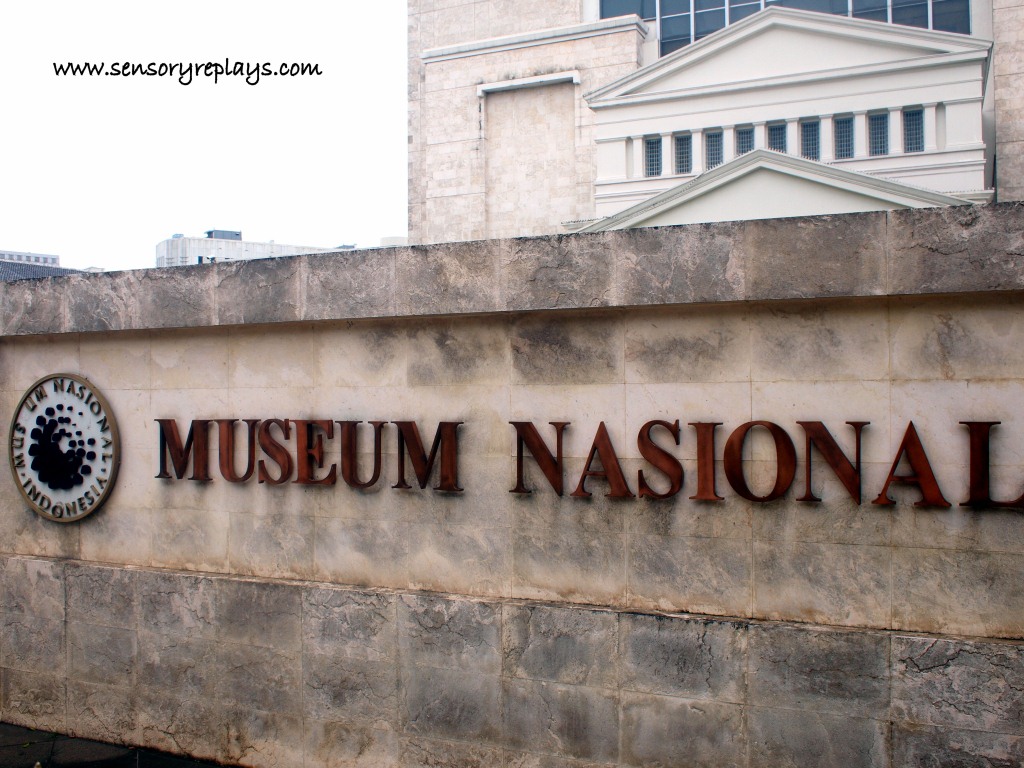
the hotel i stayed in at jakarta was a few minutes away from some interesting places to visit within the city.  spending a minimum fare of idr15 by taxi, i went to check museum nasional, jakarta’s national museum.

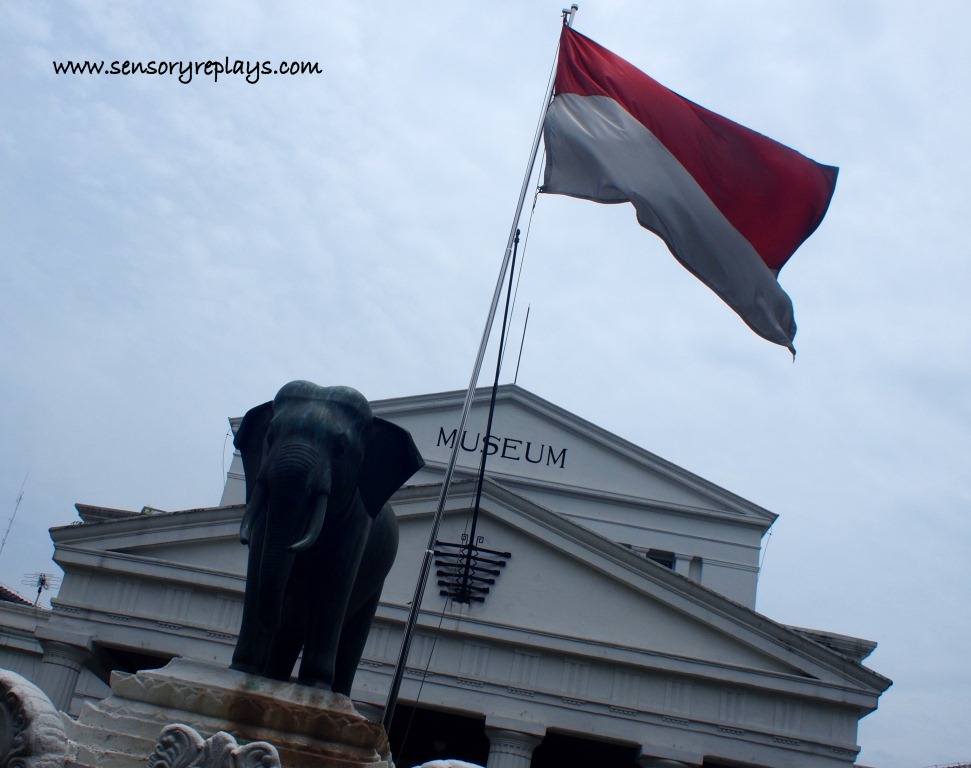
it is also known as the elephant house due to the bronze elephant statue that is found infront of the main building which was donated by a king from thailand,  chulalongkorn in late 1800’s.

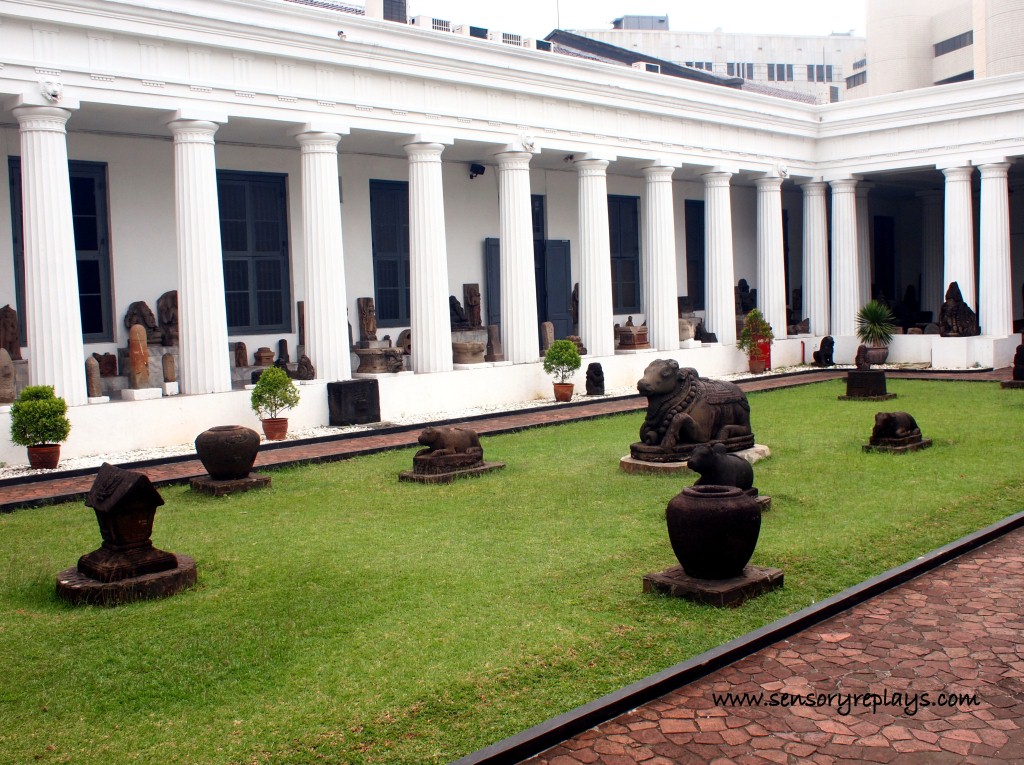
it is also called as the house of statues because of the number of statues exhibited inside the museum.

the lobby, central and atrium hall has a collection of hindu-buddhist art of ancient indonesia. these sculptures, relics and inscriptions was collected from dfferent parts of the country.

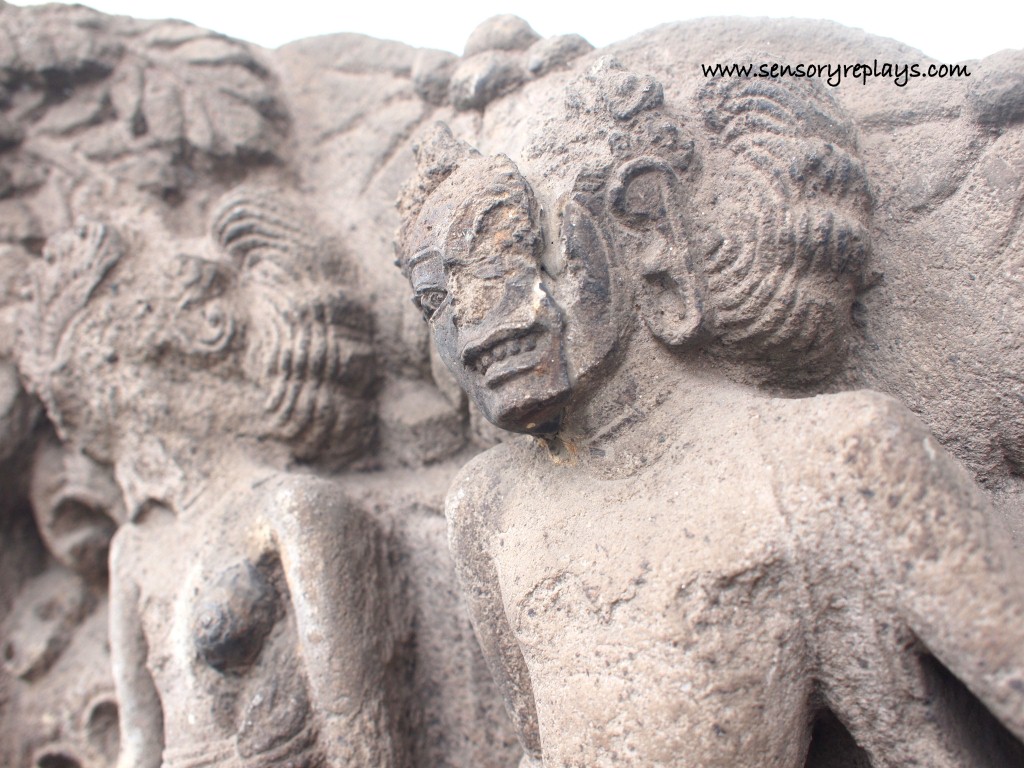
i spent some time in fascination of the intricate details of most of these statues.  i ‘ve always had this interest on archaeology.

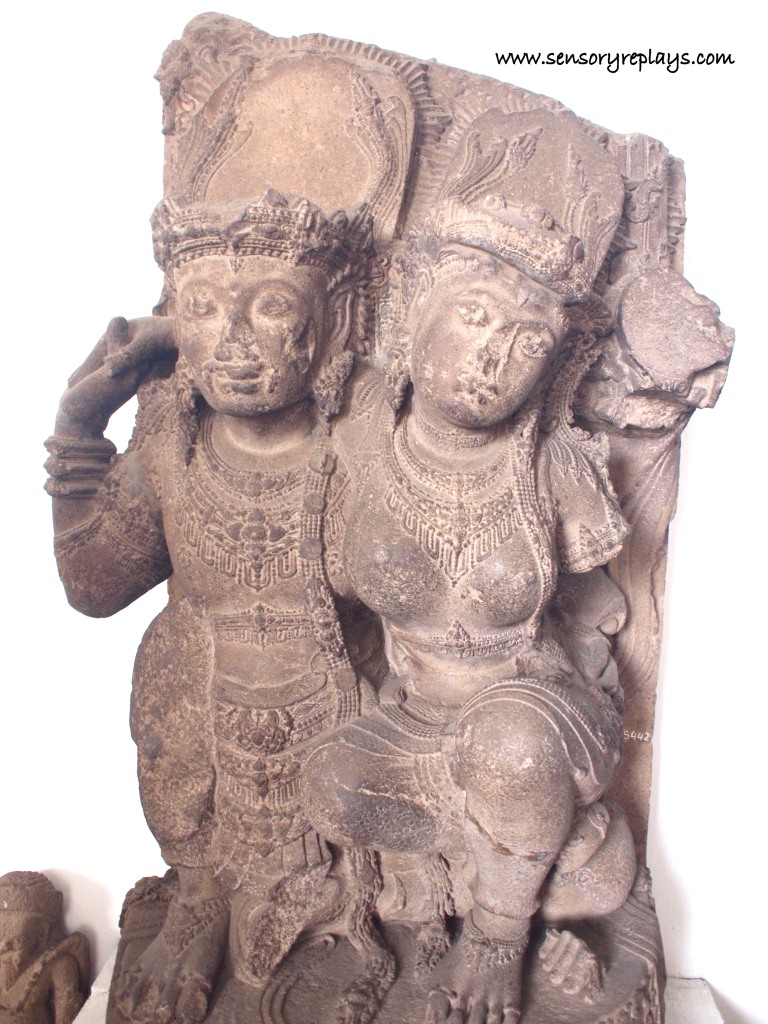
a hindu royalty and his wife.

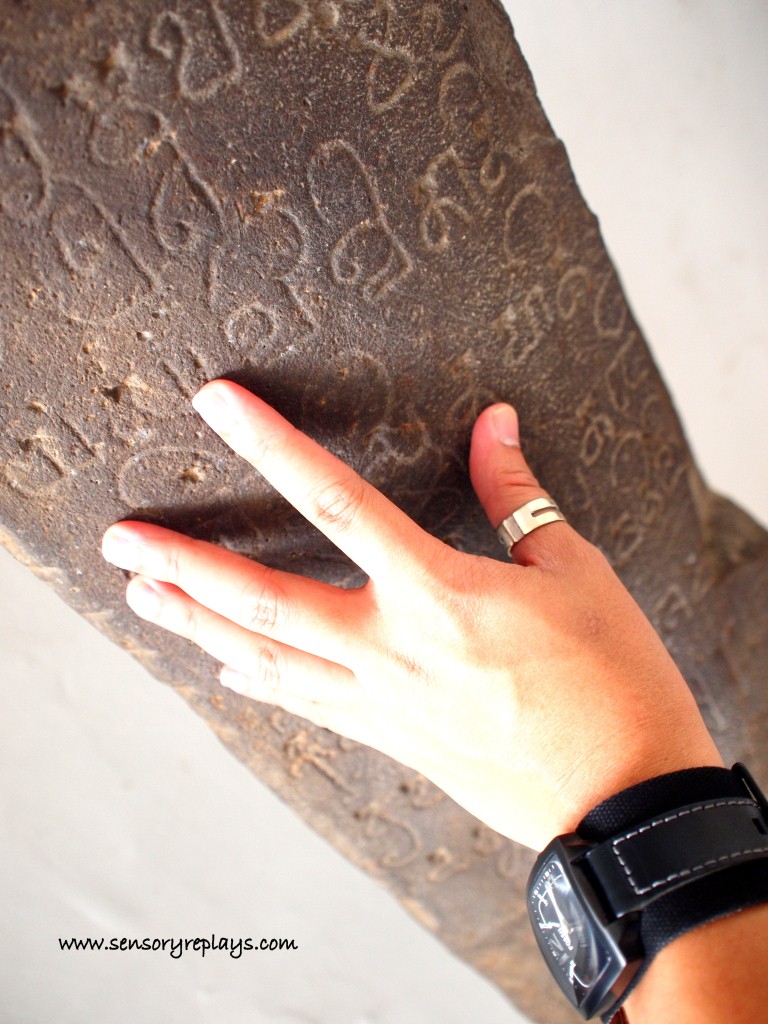
there were a lot of stones like these with inscriptions.

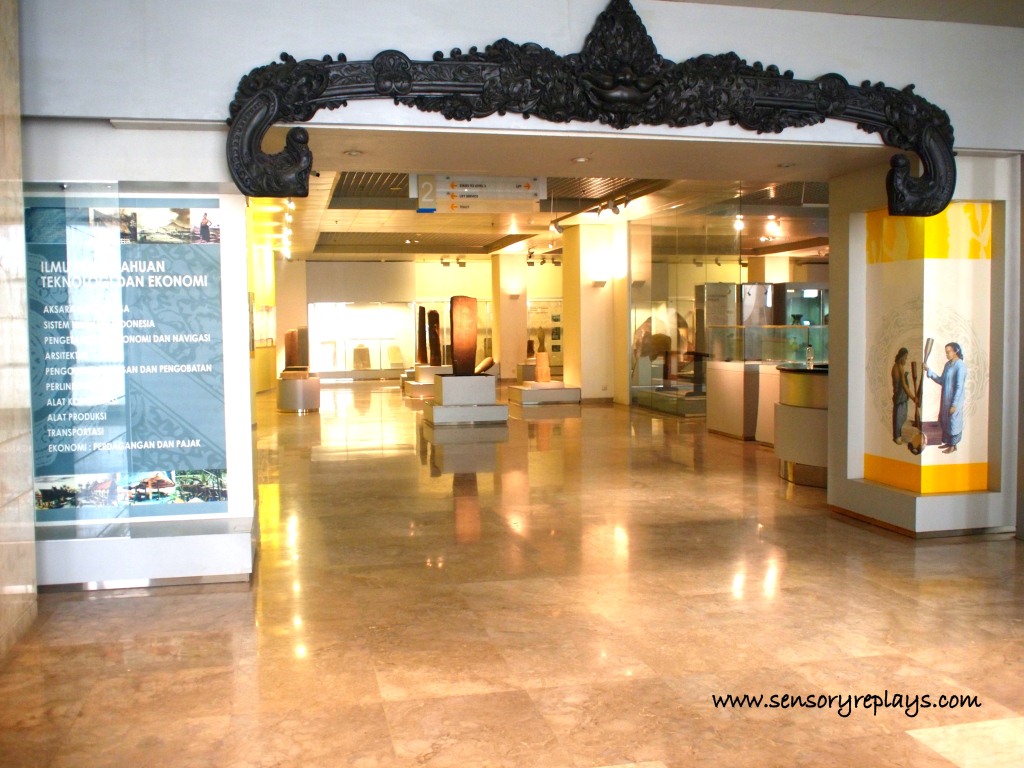
this is one of the levels which is part of the museum’s new wing.

inscriptions, footprints, drawing of insects carved on a rock.

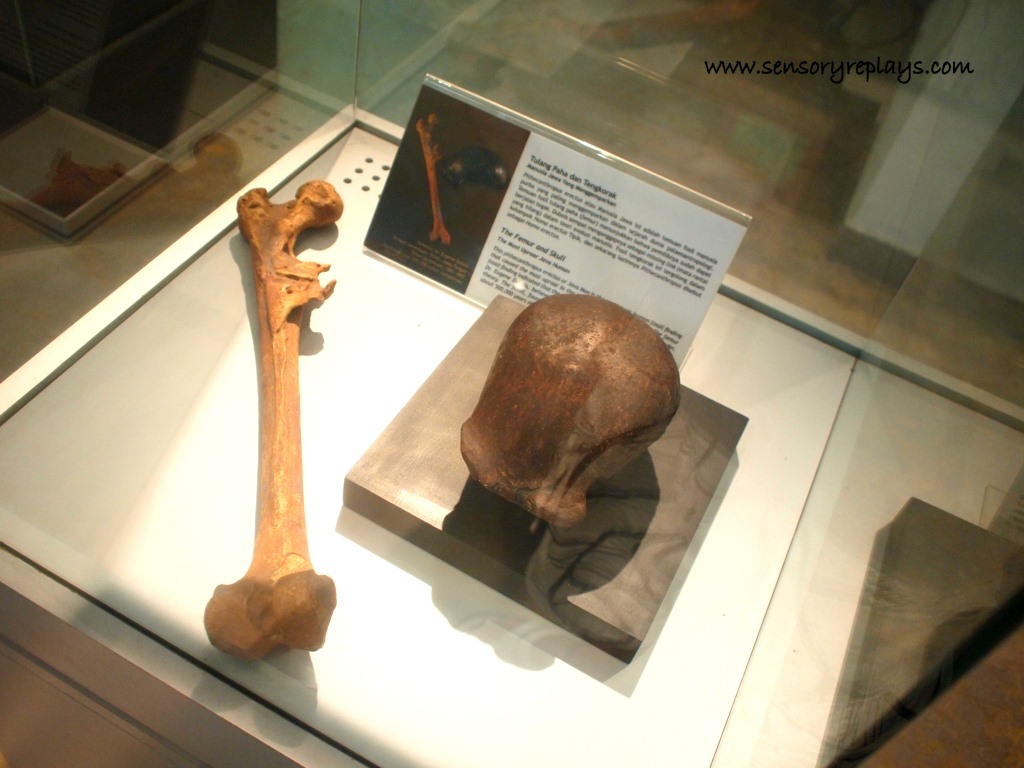
a collection of some stone age artifacts such as fossilized skull and skeleton of homo species are found in the prehistoric collection

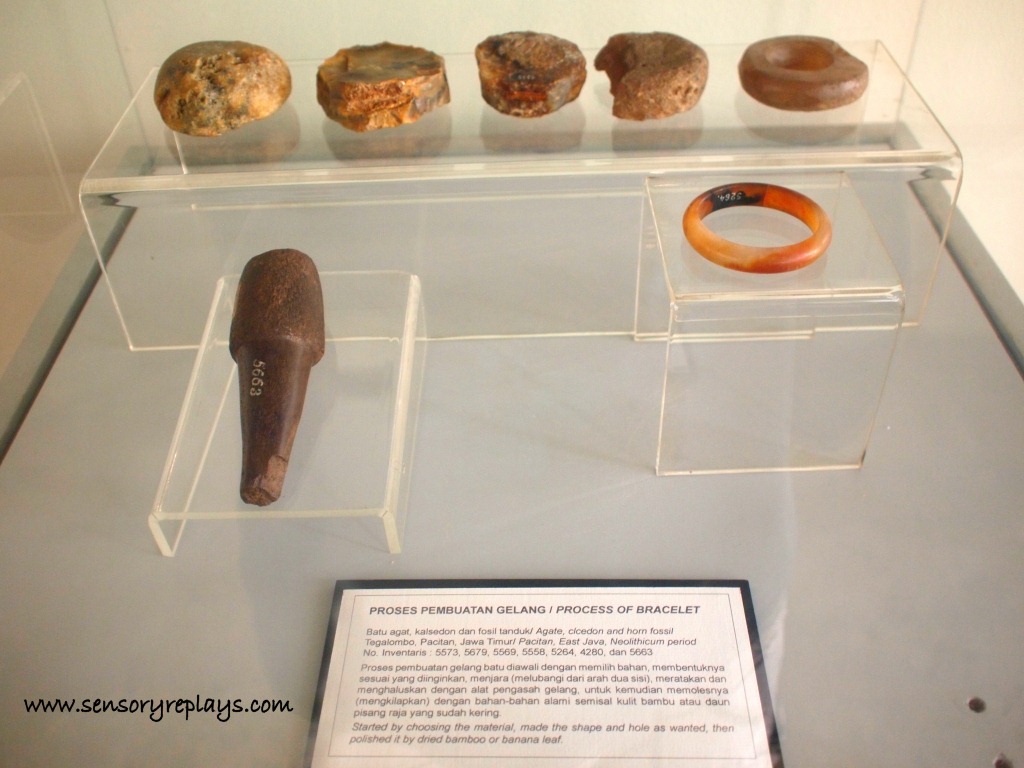
bracelets can be this difficult to make.

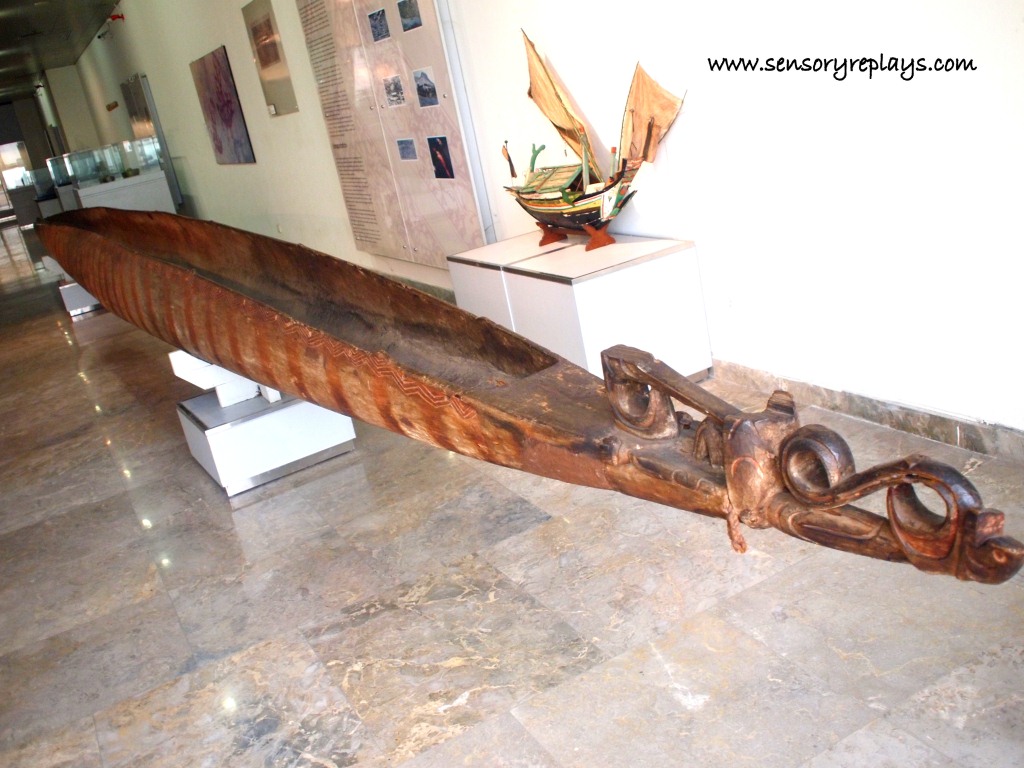
i noticed the asmat canoe which is a long carved narrow boat used as transportation by the asmat people, an ethnic group in papua province in indonesia.  the body is made of either mangrove or coconut wood carved by hollowing out the mid-section of the log lengthwise.

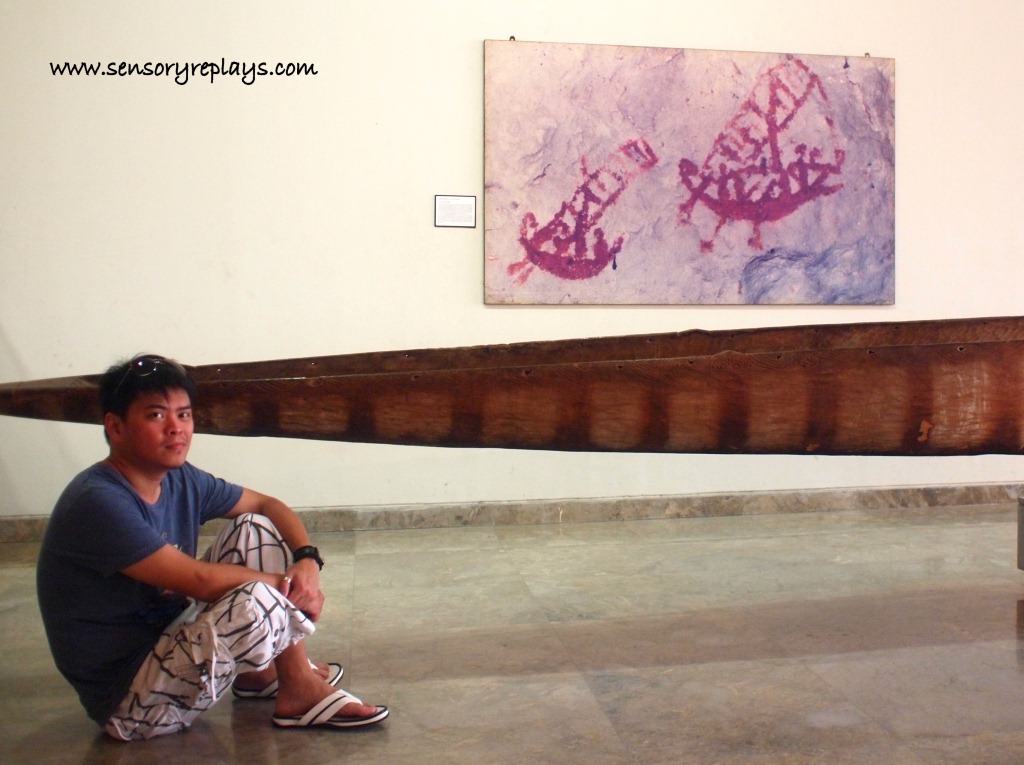
here’s a desperate attempt to take a picture of myself, lol.

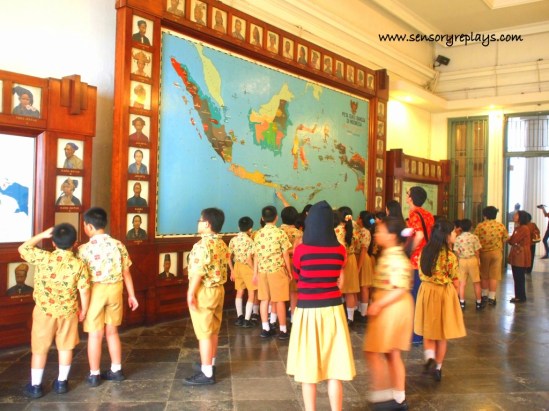
there was a group of elementary students who just arrived when i was to leave the building for their educational field trip.

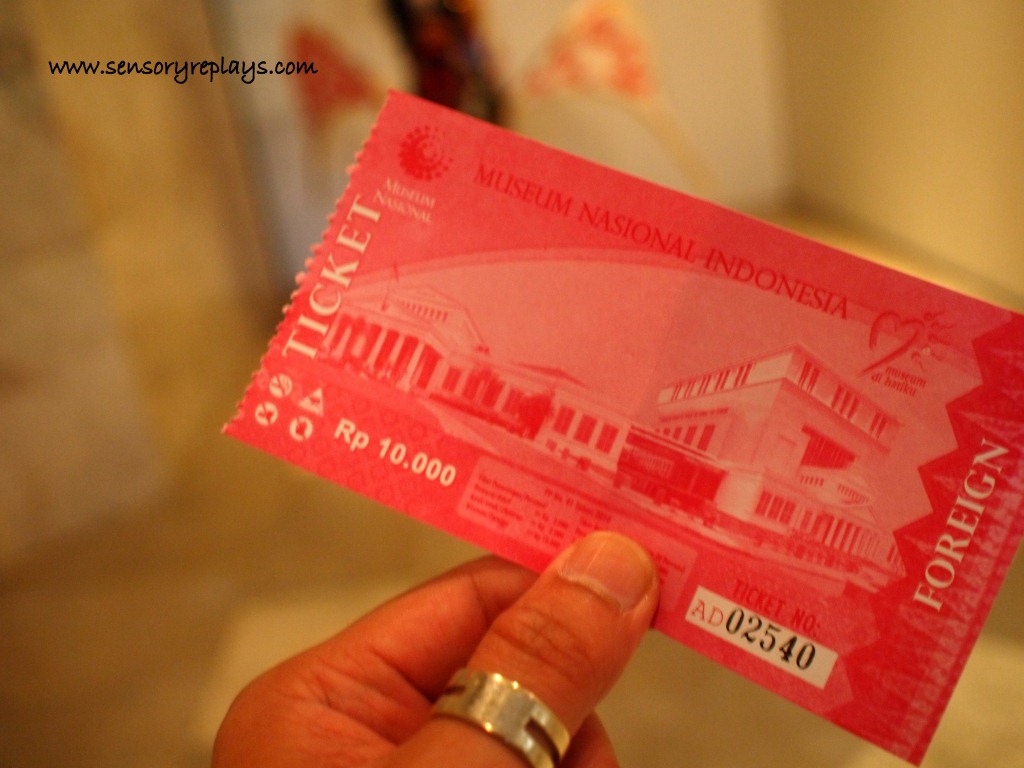
entrance fee is idr 10.00 for foreign nationals and the museum is open from 8.30 am to 2.30 pm  on tuesday, wednesday, thursday and sunday; from 8.30  am to 11.30 am on friday; and from 8.30 am to 1.30 pm  on saturday. closed on mondays.